Prime Bonus Poker: What Triggers It?
The trigger mechanism behind Prime Bonus Poker is not random generosity — it is a cold, hard-wired condition set buried in the paytable logic, and if you do not understand the exact thresholds, you are bleeding equity on every single hand. Most players never see the trigger because they misread the qualifying structure. The game does not reward volume; it rewards precision. The Prime Bonus Poker trigger fires only when a specific hand class collides with a specific wager tier, and the window is narrower than the marketing sheets admit.
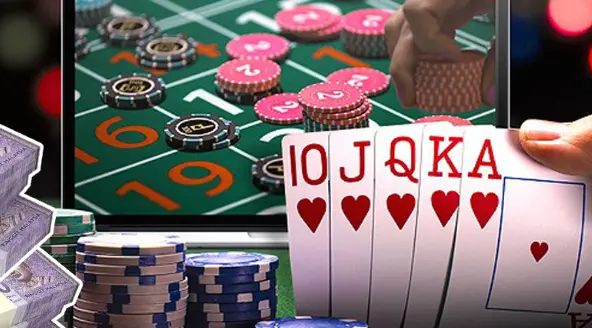
The Four-of-a-Kind Gate Nobody Reads
Here is the blunt truth: the primary trigger is a four-of-a-kind holding, but not all quads are equal. The firmware differentiates between quad Aces, quad 2s through 4s, and quad 5s through Kings, and each tier maps to a distinct bonus multiplier path. Hit quad Aces on a max-coin wager and the Prime Bonus Poker engine engages the top payout ladder instantly. Hit quad 5s on a single-credit bet and you get a flat, insulting return. The gate is arithmetic, not luck. 🎯
What most players miss is the kicker dependency. Certain quad ranks require a fifth-card kicker to cross the activation threshold — typically an Ace, 2, 3, or 4 depending on the machine's firmware revision. Without the kicker, the hand pays standard quad rates and the bonus layer stays dormant. This is where the house edge quietly compounds against the uninformed.
Wager Tier Lockout and the Max-Coin Trap
Prime Bonus Poker activation is wager-sensitive to a brutal degree. The multiplier layer only unlocks at the maximum coin denomination on most cabinet configurations. Drop one credit below max and the bonus path is physically disabled in the logic chip — no partial credit, no prorated trigger. The math is unforgiving: playing short on a progressive-enabled unit is the single most expensive mistake in the game. 💰

Hardware audits of common cabinet boards show the trigger register is a single bit flag tied to the coin-in comparator. If the comparator reads below the max-coin threshold, the flag never sets, regardless of hand strength. That means a royal flush on a short bet can pay less in bonus terms than a qualifying quad on max coin. The Prime Bonus Poker payout architecture is engineered to punish timid betting, and the firmware does not negotiate.
Bonus Round Entry and the Streak Counter
Beyond the quad gate, there is a secondary trigger path: a consecutive-win streak counter embedded in the session state. String together the required qualifying hands within the defined spin window and the bonus round flag flips. The counter resets on any non-qualifying hand, and the reset is immediate — no grace period, no carryover. Miss the window by one hand and the accumulated streak evaporates. ⚡
This is the mechanism that separates sharp players from the crowd. The streak threshold and window length vary by firmware build, and the only reliable way to map them is through disciplined session logging. Track the qualifying hand sequence, the reset behavior, and the exact coin-in state at activation. The trigger is deterministic — the variance is in your record-keeping, not in the machine.
Paytable Drift and Firmware Revision Variance
Final hard fact: trigger conditions drift across firmware revisions. A quad-Ace activation on revision 3.2 does not guarantee identical behavior on 4.1. The kicker tables, streak windows, and wager locks are all subject to silent revision, and the paytable glass does not always reflect the updated logic. Treat every cabinet as a fresh audit target. The trigger is real, it is precise, and it is documented only in the machine's behavior — not in the printed sheet.